For more information on the mission from the Netherlands Embassy and Ministry of Foreign Affairs, view the full press release here: Embassy of the Kingdom of the Netherlands and the Ministry of Foreign Affairs of the Netherlands Delegation Concludes Strategic Visit to Kano, Kaduna, and Jigawa States, Nigeria
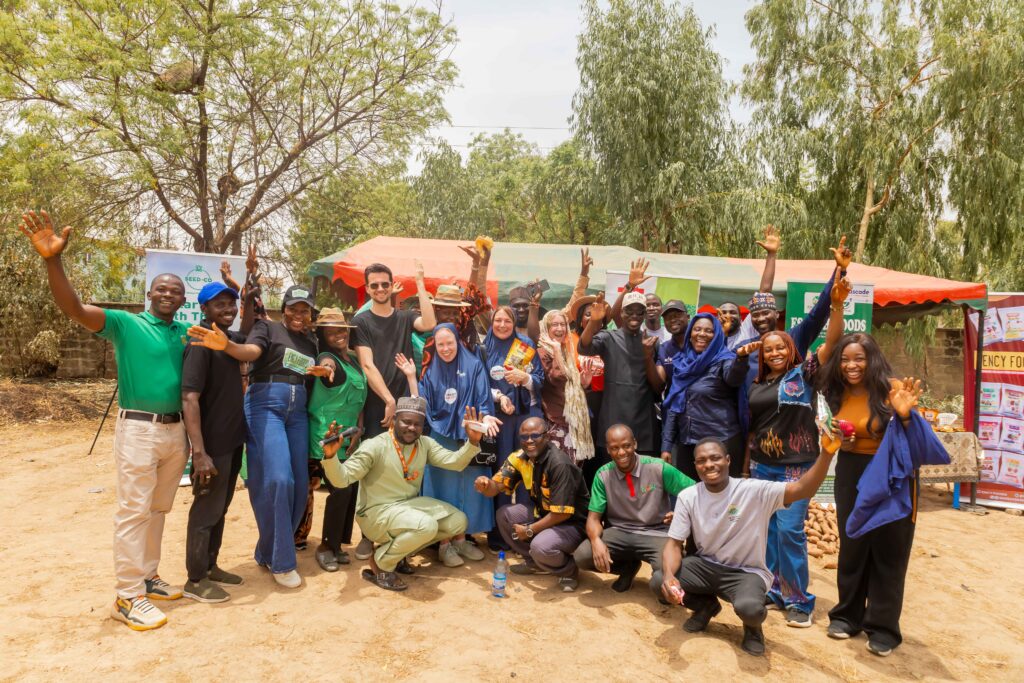
A delegation from the Directorate‑General for International Cooperation (DGIS), representing the Inclusive Green Growth Department (IGG)/Food and Nutrition Security (FNS) cluster of the Netherlands Ministry of Foreign Affairs, undertook a strategic monitoring visit to Nigeria April 12-22 to assess the progress and relevance of centrally funded FNS programs, including the Soil Values program. The mission combined high‑level policy engagement with field‑level validation across Abuja and Kano states, providing an opportunity to review strategic alignment, partnership performance, and on‑the‑ground results.
On April 13, the DGIS delegation visited the IFDC office in Abuja for a session dedicated to the Soil Values program in Nigeria. This session provided a comprehensive overview of program objectives, implementation progress, and strategic alignment with national priorities.
These interactions reinforced the effectiveness of the Soil Values implementation model…
Discussions highlighted the program’s collaborative delivery model, especially its coordination with major partners, such as Agro-Climatic Resilience in Semi-Arid Landscapes (ACReSAL) and the Livestock Productivity and Resilience Support Project (L‑PRES), and the role of local implementing partners in translating joint planning into tangible results at scale. These dialogues underscored how institutional partnerships are strengthening coherence between policy frameworks, watershed‑level interventions, and community outcomes.
Following the Abuja meetings, the delegation proceeded to Kano State for field‑level validation of program results. A key component of this visit was the inspection of Soil Values demonstration sites implemented in collaboration with the Centre for Dryland Agriculture (CDA) of Bayero University, Kano.
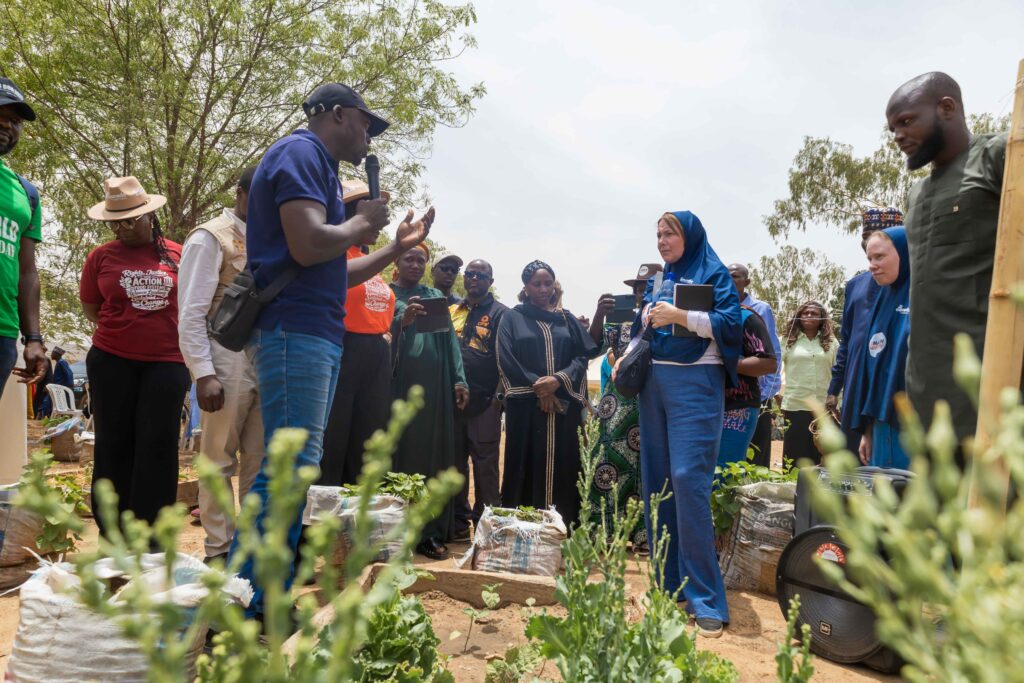
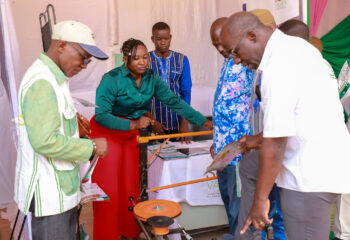
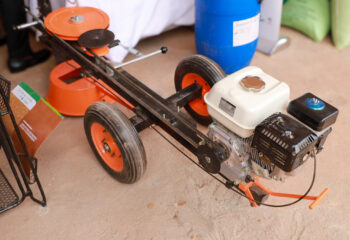
At the demonstration sites, the delegation reviewed ongoing field trials showcasing integrated soil fertility management (ISFM), integrated pest management (IPM), soil and water conservation practices, and fertilizer deep placement (FDP) technologies, particularly within vegetable production systems.
The DGIS team noted clear evidence of improved agronomic practices and emphasized the relevance and scalability of the demonstrated technologies, recognizing their potential to support sustainable intensification in northern Nigeria.
The visit also enabled direct exchanges with extension agents and beneficiary farmers, who shared practical insights on technology adoption, productivity improvements, and the benefits of Soil Values-supported practices.
These interactions reinforced the effectiveness of the Soil Values implementation model, especially its emphasis on partnership‑driven delivery, context‑specific technologies, and field‑level learning as drivers of adoption and resilience.
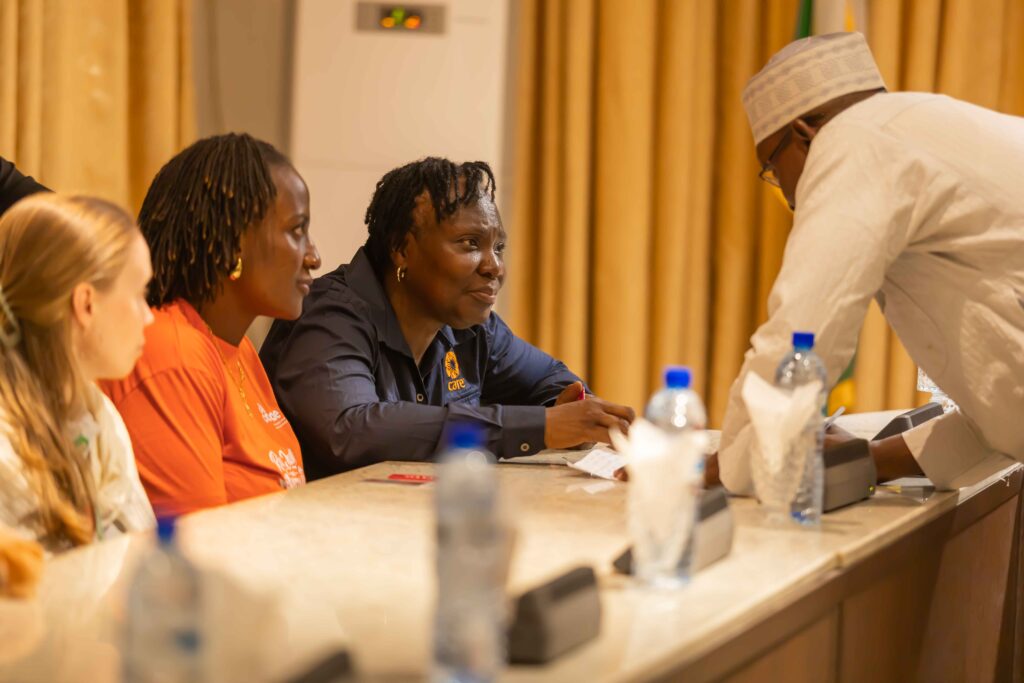
The mission concluded with a high‑level courtesy meeting between the Soil Values leadership team and Bengt van Loosdrecht, the Ambassador of the Embassy of the Kingdom of the Netherlands (EKN), in Abuja. The meeting provided space to reflect on key observations from the visit, reaffirm strategic alignment, and discuss future directions for strengthening collaboration and scaling impact within Nigeria’s soil health and sustainable agriculture agenda.
Overall, the DGIS visit confirmed the strong performance of the Soil Values program in Nigeria, particularly at the watershed level. The delegation recognized the program’s technical relevance, collaborative approach, and tangible community‑level results, reinforcing confidence in its strategy and its contribution to sustainable soil health, agricultural productivity, and food and nutrition security.
Funded by the Dutch Directorate-General for International Cooperation (DGIS), the Soil Values program is being implemented over 10 years (2024-2033), led by the International Fertilizer Development Center (IFDC), in consortium with SNV and Wageningen University and Research (WUR), as well as knowledge partners such as AGRA, the Center for International Forestry Research and World Agroforestry (CIFOR-ICRAF), the International Institute of Tropical Agriculture (IITA), ISRIC – World Soil Information, and the International Water Management Institute (IWMI).