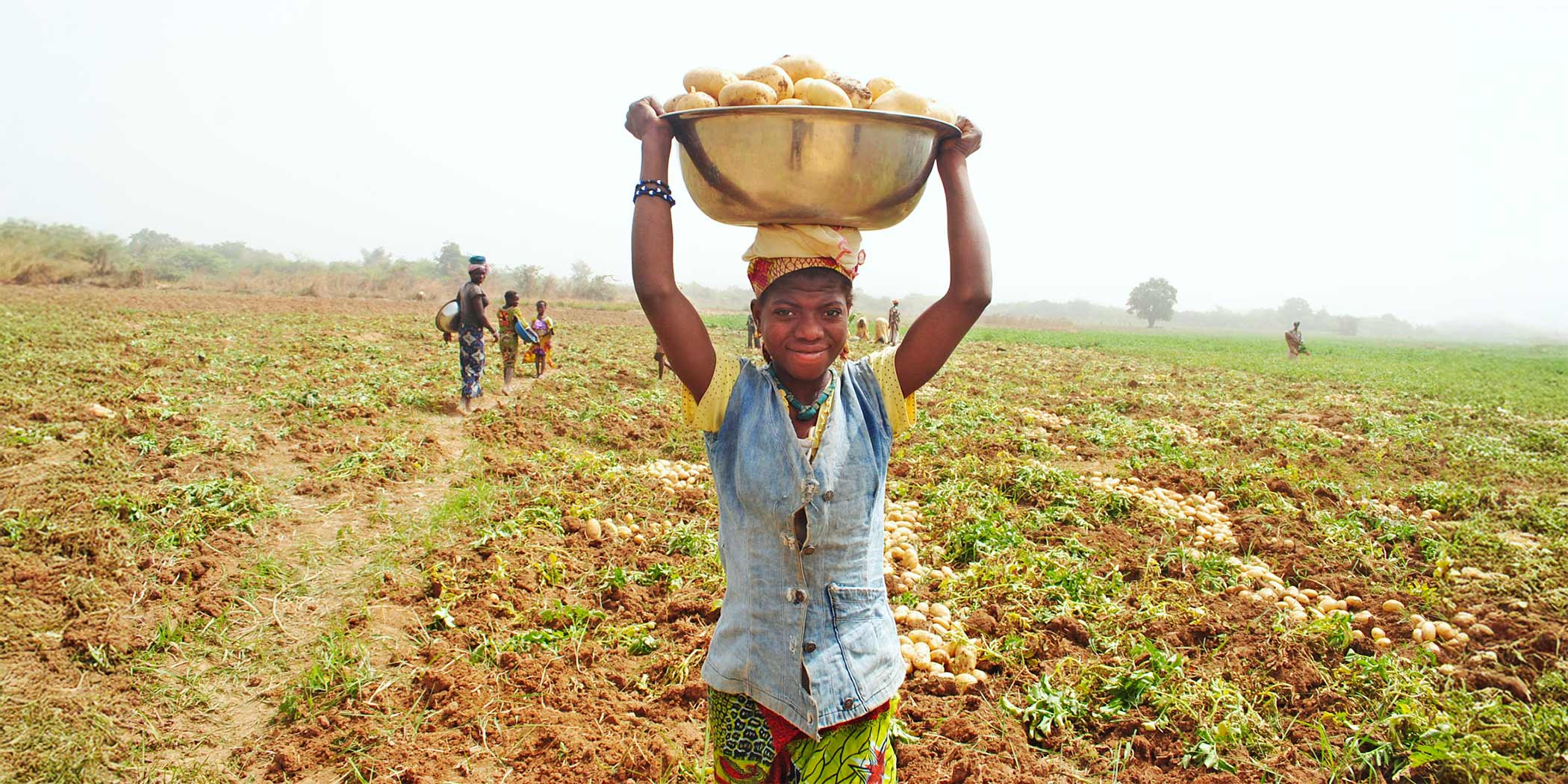
Bangladesh is located in southern Asia, bordering the Bay of Bengal between Burma and India. The country’s total land area is 143,998 sq km, comparatively slightly smaller than the nation of Tajikistan or the state of Iowa in the U.S. Its climate is tropical with a mild winter (October through March) and a hot, humid summer (March through June). Its monsoon season takes place from June through October. Of the country’s total land area, 55 percent is utilized for cultivated crops, while another three percent supports permanent crops such as fruit- and nut-bearing trees. Bangladesh’s population is approximately 156 million (about 1,083 people per sq km), making it one of the most densely populated countries in the world. Environmental issues facing the country include soil degradation, erosion and water pollution from overuse of fertilizer and crop protection products, as well as pollution from naturally occurring arsenic. The country remains poor and overpopulated, with 36 percent of its inhabitants living in poverty. More than half of GDP is generated through the service sector. However, nearly two-thirds of Bangladeshis are employed in the agriculture sector, with rice as the single most important crop. Other agricultural products include jute, tea, wheat, sugarcane, potatoes, tobacco, pulses, oilseeds, spices, fruit, beef, milk and poultry. The EurAsia Division is responsible for IFDC activities in Bangladesh.
IFDC in Bangladesh
IFDC began its efforts in Bangladesh in 1978 with two major research/consultation projects focusing on constraints and opportunities in the country’s fertilizer sector. The following year, IFDC began its first major project in support of the USAID-funded Bangladesh Fertilizer Distribution Improvement Project. For over 35 years, IFDC’s commitment to Bangladesh has remained steady, and the organization has worked closely with the government to build the fertilizer market, introduce quality agro-inputs, transfer innovative technologies and build sustainable market practices.
In 1980, the country’s rice production stood at 10 million metric tons (mt) harvested from 10 million hectares. By 2009, production had increased to more than 34 million mt from the same 10 million hectares. The Bangladesh Department of Agricultural Extension (DAE) attributes this dramatic increase in both quality and quantity of rice yields to “modern technologies developed by research organizations and effective Agricultural Extension Services of the DAE.”
Today, IFDC focuses on a broad spectrum of activities related to advanced input technologies, soil nutrient management and resource conservation. IFDC also continues to emphasize the development of sustainable agricultural production systems for long-term food security, with a focus on increased crop yields and greater economic returns to Bangladeshi farmers.
Current IFDC Projects in Bangladesh
- Accelerating Agriculture Productivity Improvement in Bangladesh (AAPI), 2010-2015
AAPI is expected to achieve an immediate impact on improved yields and increased farmer income due to improved resource use efficiency. Project emphasis is on technology diffusion and development of support systems to achieve sustainability. The main technology employed is fertilizer deep placement (FDP). The AAPI project is also supporting water management techniques such as alternate wetting and drying (AWD), a water-saving technology that lowland (paddy) rice farmers can apply to reduce water use in irrigated fields.
DONOR: U.S. Agency for International Development (USAID)
Recent IFDC Projects in Bangladesh
- Expansion of UDP Technology in 80 Upazilas of Bangladesh During Boro 2008, 2007-2008
This UDP-focused project improved incomes and opportunities for Bangladeshi farmers. The project targeted rice farmers, who represent the majority of smallholders. The project increased farmer incomes by reducing production costs while increasing crop yields during the 2008 "boro" growing season. The use of UDP technology reduced the use of urea fertilizer by 40 percent and increased yields by as much as 40 percent.
DONOR:Bangladesh Department of Agricultural Extension (DAE)
- Expansion of Urea Deep Placement (UDP) Technology in Additional 80 Upazilas of Bangladesh, 2008-2011
Based upon the success of a 2007-08 project designed to increase rice yields in 80 upazilas (sub-districts), IFDC expanded its UDP technology transfer efforts to include an additional 80 upazilas. The Expansion of Urea Deep Placement Technology in Additional 80 Upazilas of Bangladesh project is increasing rice paddy crop yields for 650,000 farmers, with more than 242,000 hectares under cultivation utilizing the UDP process. The effort also includes training of nearly 2,000 DAE field officials to monitor long-term farmer progress.
DONOR: Bangladesh Department of Agricultural Extension (DAE)
- Improved Livelihood for Sidr-Affected Rice Farmers (ILSAFARM), 2008-2010
The ILSAFARM project, sponsored by USAID and the government of Bangladesh, is restoring rice farming to 280,000 families whose crops and lands were destroyed by Cyclone Sidr in 2007. At the center of efforts to maximize new crop yields, IFDC is conducting ongoing trainings in urea deep placement (UDP), a proven technology to increase crop yields while reducing the amount of fertilizer previously required.
DONOR: U.S. Agency for International Development (USAID)
- Market Development in the Fertilizer Sector of Bangladesh (Katalyst I), 2010-2011
Katalyst I is a development project that assessed the fertilizer market with particular emphasis on the fertilizer policy framework. As a result of the assessment, strategic areas of intervention were identified to improve the performance of the fertilizer value chain. Emphasis was placed on promoting appropriate fertilizer management practices, improving farmer access to quality inputs and creating a market-friendly regulatory framework.
- Market Development in the Fertilizer Sector of Bangladesh (Katalyst II), 2011-2012
A continuation of the first Katalyst project, Katalyst II followed a pro-poor, market development approach in promoting economic growth. Strengthening and supporting the development of the systems that underpin agricultural development were emphasized. IFDC provided services and expertise to improve market development in the Bangladesh fertilizer sector, with an emphasis on advancing private sector participation in the market. Another project focus was on fertilizer policy framework and the removal of investment barriers.
DONOR: Swiss Agency for Development and Cooperation (SDC), the United Kingdom Department for International Development (DFID), the Canadian International Development Agency (CIDA) and the Embassy of the Kingdom of the Netherlands.

Bangladesh Information
Bangladesh Articles
Agriculture Sector Development in Bangladesh Remains a Priority (Taken from IFDC Report Volume 37, No. 1)
Rewarding Retirement for Bangladeshi Accountant (Taken from IFDC Report Volume 37, No. 1)
AAPI Project Participates in Feed the Future Initiative(Taken from IFDC Report, Volume 36, No. 4)
IFDC Core Competency: Gender Equity is Key to Feeding the Hungry (Taken from IFDC Report, Volume 36, No. 4)
Bangladesh Minister of Agriculture Chowdhury and U.S. Ambassador Moriarty Launch AAPI Project (Taken from IFDC Report Volume 36, No. 2)
Urea Deep Placement (UDP) Success Continues in Bangladesh (Taken from IFDC Report Volume 35, No. 2)
Bangladeshi UDP Farmer is Gold Medal Winner o Bangabandhu National Agriculture Award and KATALYST Develops Private Sector Markets in Bangladesh(Taken from IFDC Report Volume 35, No. 3)
Fertilizer System Revolutionizes Rice Farming in Bangladesh(Taken from IFDC Report Volume 35, No. 4)