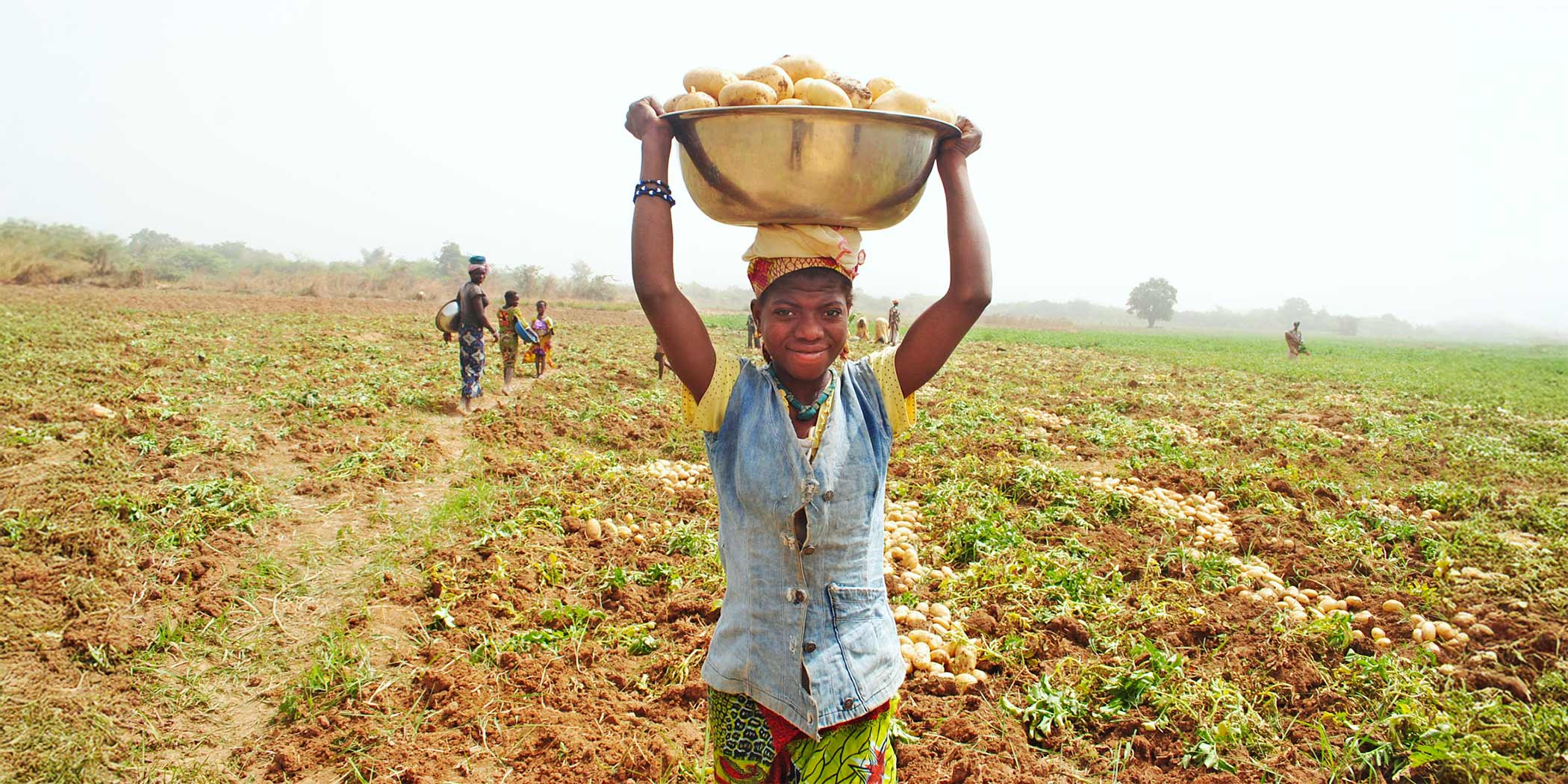
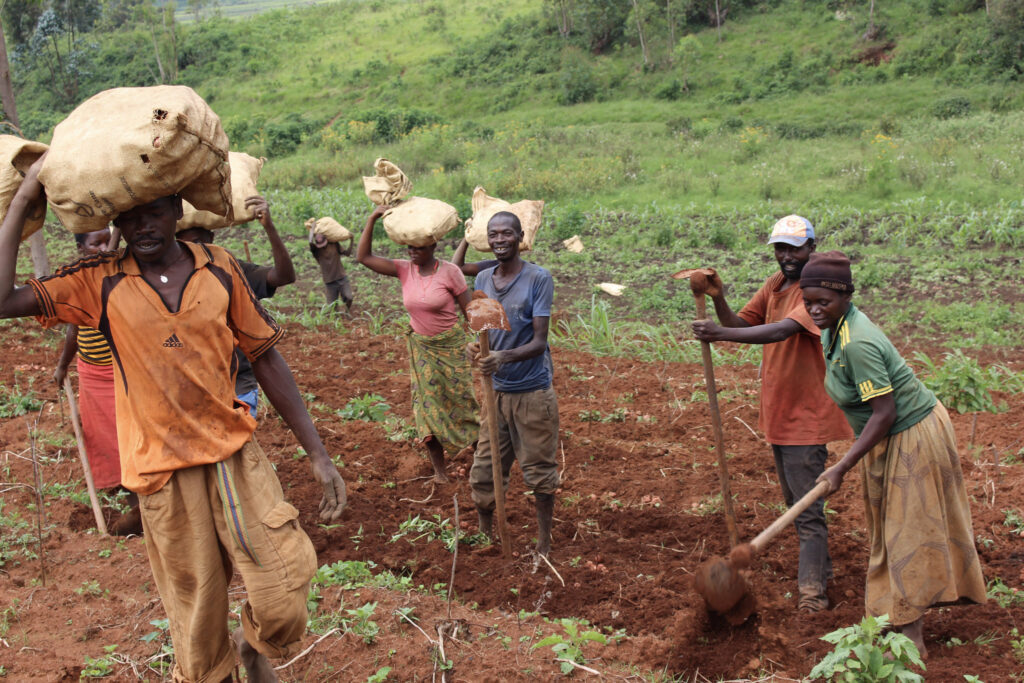
In Burundi, where agriculture is the backbone of rural livelihoods, access to quality seed can make the difference between food insecurity and prosperity.
Since 2021, IFDC, through the Private Seed Sector Development (PSSD) project, has been working with the Agency for the Development of Rural People (ADPR) in collaboration with two technical partners, the Burundi Institute of Agronomic Sciences (ISABU) and the National Office of Seed Control and Certification (ONCCS), on a project to promote hybrid potato cultivation in Burundi.
This initiative is part of a drive for sustainable agricultural development through the introduction of promising hybrid varieties.
Initial trials revealed that two varieties in development, Bu007 and Bu012, were particularly vulnerable to late blight, a devastating fungal disease in potatoes, while another variety, Solhy017, showed notable tolerance to blight thanks to a specific resistance gene.
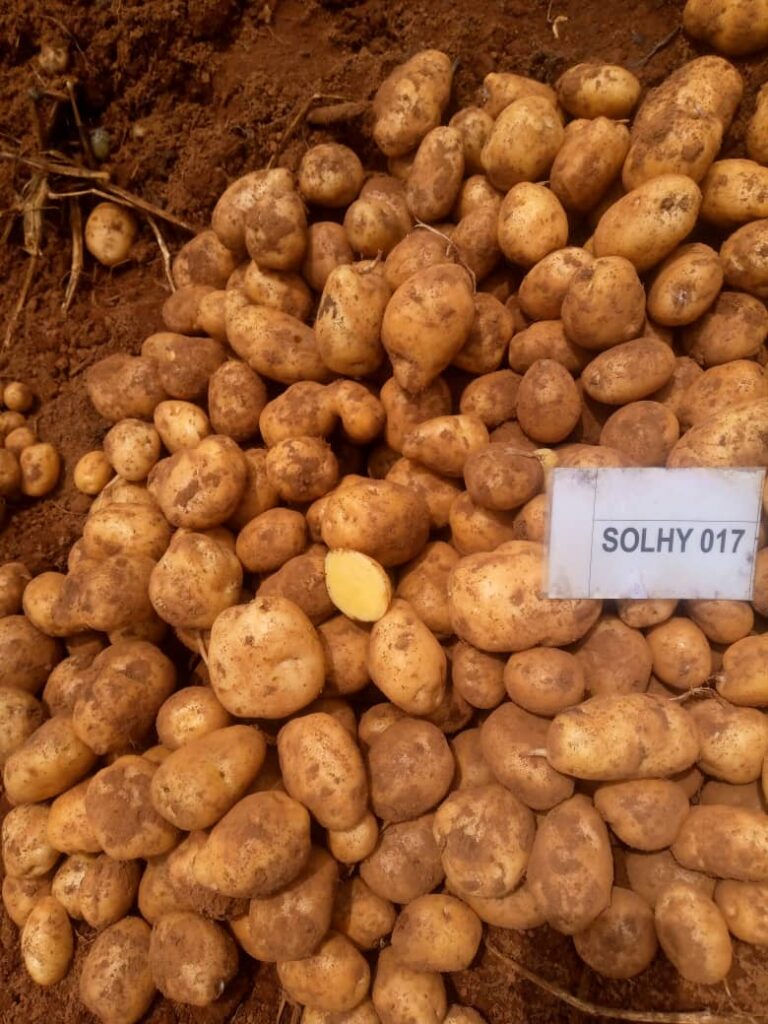
The National Technical Committee for Variety Release (CTNHV) further analyzed these results in January 2025 and subsequently released Solhy017 to the market, Burundi’s first hybrid potato variety.
The release of Solhy017 marks a major milestone for Burundi’s agriculture sector and reflects what is possible when innovation meets collaboration.
In addition to its tolerance to late blight, Solhy017 exhibits a range of outstanding characteristics that make it especially valuable for Burundian farmers.
One of its most notable strengths is its high tolerance to other diseases, especially mildew – a persistent challenge for many growers in Burundi. This resistance significantly reduces crop losses, making it a major asset for sustainable production.
Solhy017 also boasts exceptional mini-tuber productivity, yielding between 35 and 38 mini-tubers per plant. In contrast, traditional varieties typically produce only five to eight mini-tubers per plant. This boost in productivity translates to higher returns on investment and a more resilient supply chain. It also opens doors for local businesses, enabling them to expand production and meet growing demand more affordably.
Further, while most varieties require about two months of dormancy, Solhy017’s dormancy period is just one month, allowing seeds to be made available more quickly and accelerating the production cycle.
Additionally, the Solhy017 variety shortens the production chain. Non-hybrid potato varieties may take as long as four years to progress from first-generation seeds to later-generation consumable potatoes; but with Solhy017, the time from seed production to consumable crop is reduced to just two seasons, or about one year.
This efficiency is a critical factor in improving both the profitability and sustainability of potato farming in Burundi.
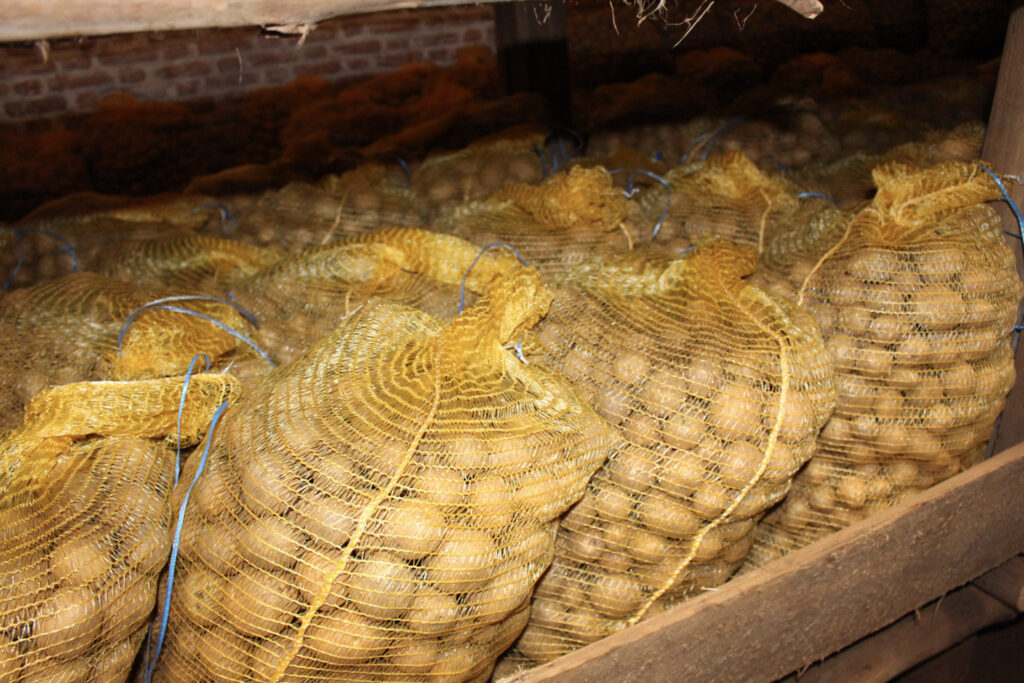
Solhy017 demonstrates satisfactory overall performance comparable to other non-hybrid varieties currently available on the market. Its combined traits position it as a catalyst for progress in the local potato sector.
The success of the project’s first phase marks an important turning point in Burundi’s potato sector, paving the way for further innovations and improvements. In a continued commitment to sustainable and resilient agriculture, ADPR plans to build on these results by extending its efforts and introducing new varieties with high disease tolerance.
The release of Solhy017 marks a major milestone for Burundi’s agriculture sector and reflects what is possible when innovation meets collaboration.
As a key partner in this effort, IFDC – working alongside ADPR, ISABU, and ONCCS – has helped lay the groundwork for a more productive, resilient, and sustainable potato sector in Burundi. Sustained collaboration will be crucial to scale production of Solhy017 and advance trials of other hybrids with strong disease resistance.
By continuing to foster partnerships and invest in promising hybrid varieties, IFDC and its collaborators are helping strengthen the agriculture sector into a powerful driver of food security and rural prosperity.
The Private Seed Sector Development (PSSD) project (2018-2026), funded by the Dutch Ministry of Foreign Affairs and implemented by the International Fertilizer Development Center (IFDC), aims to increase the production and incomes of 178,000 farmer households in Burundi. The project works with private and public sector partners to promote the development of a private sector-led seed industry that is able to provide farmers with sustainable access to high-quality seed and agricultural advisory services.