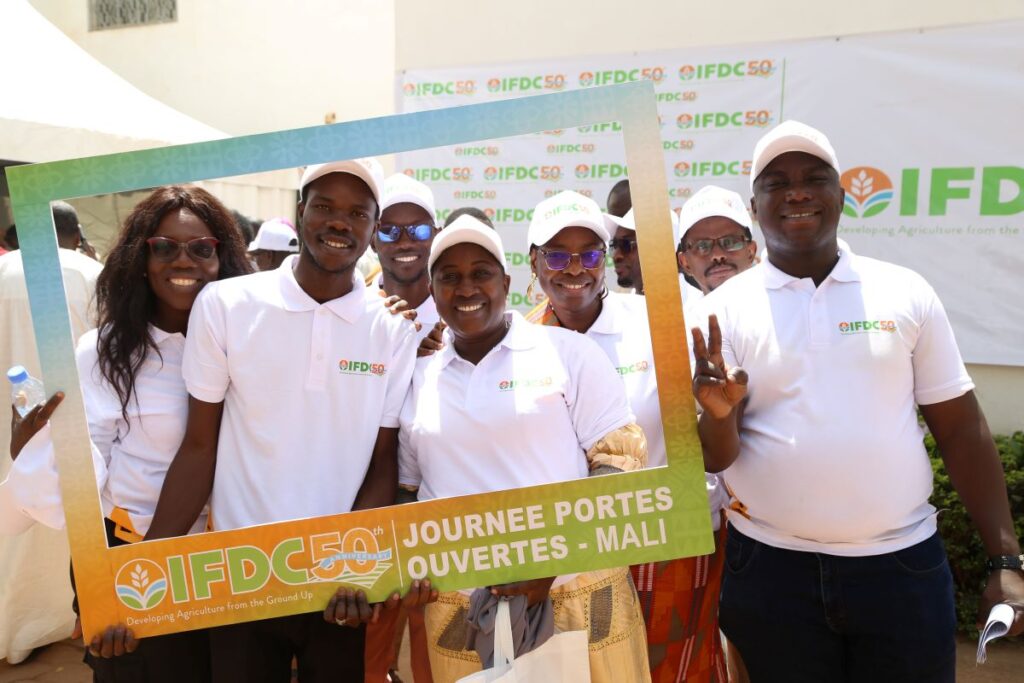
As part of commemorating its 50 years of promoting sustainable agricultural development worldwide, the International Fertilizer Development Center (IFDC) is organizing Open Door events in all its country offices with the theme “50 Years of Developing Agriculture from the Ground Up.”
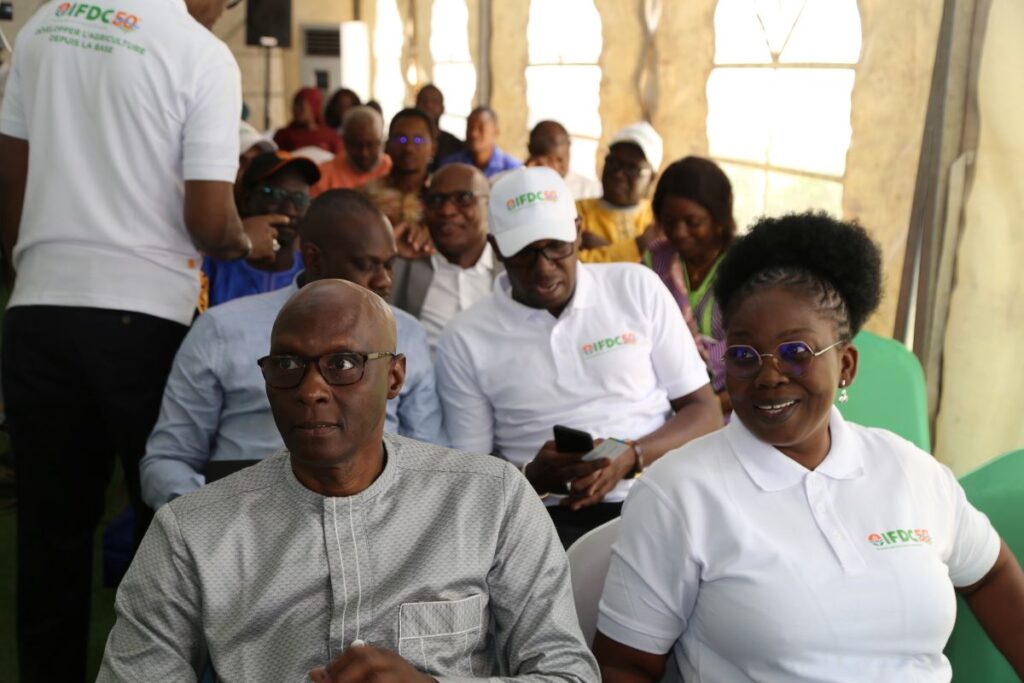
On February 29, IFDC welcomed key actors in Mali’s agricultural value chains from the public and private sectors to its Mali offices for the 2024 IFDC Open Door event. The event strengthened partnerships between IFDC and key stakeholders in the national agricultural sector and showcased IFDC’s innovative technologies, projects, collaborations, agricultural support, and positive changes facilitated by these interventions in the country.
“We work with our partners to innovate and make a sustainable impact on a large scale.”
Moussa Dionou, IFDC Country Director for Burkina Faso and Mali
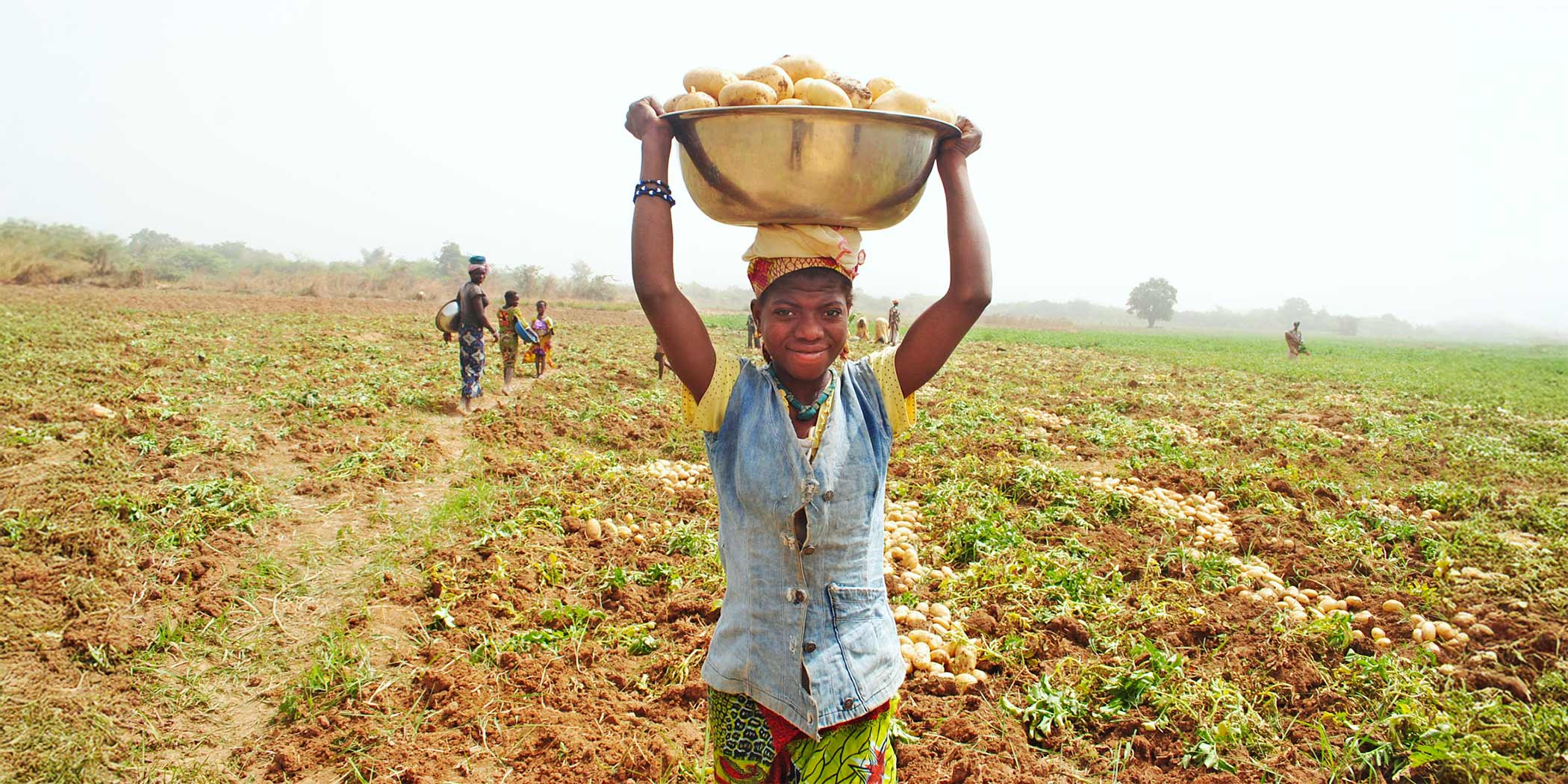
IFDC has been present and active in Mali for 20 years, helping to build the capacity of millions of small-scale farmers to become agricultural entrepreneurs and conquer local and regional markets. During these 20 years, the organization has been implementing its mission to increase agricultural productivity and contribute to food security through more efficient and environmentally friendly soil fertility management.
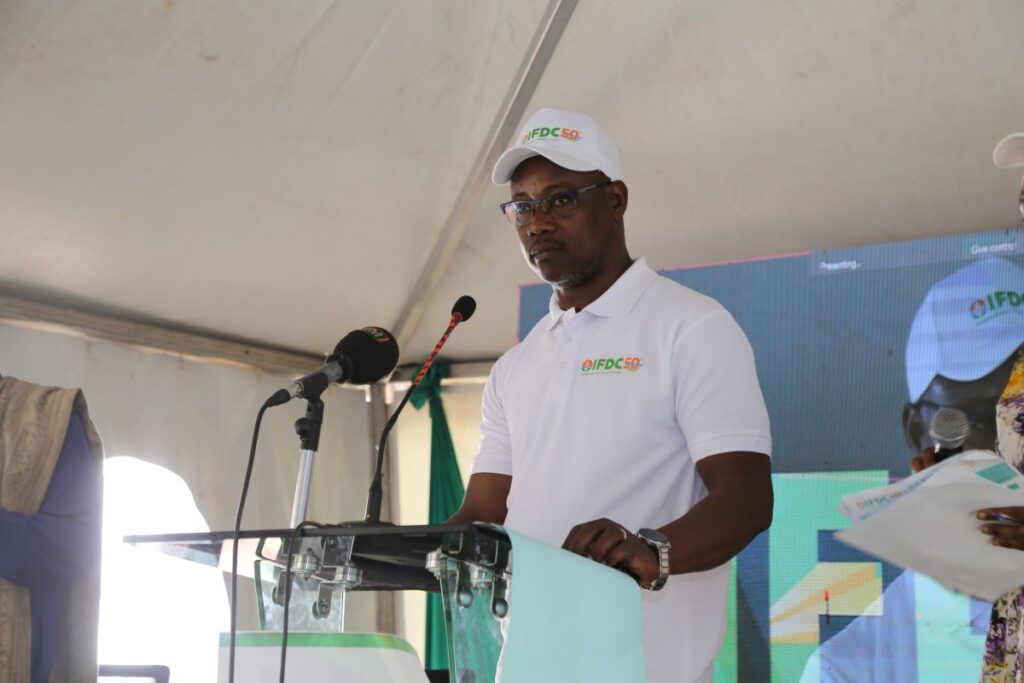
IFDC Country Director for Burkina Faso and Mali Moussa Dionou explained IFDC’s strategy by saying, “Our goal is to improve fertility, soil, and plant health for a more food-secure and environmentally sustainable world. IFDC supports the efforts of Mali’s Government to meet the challenges of food security by bridging the traditional gaps between research, technology extension, and market systems.
Affirming Dionou’s assertion, the representative of Mali’s Minister of Agriculture, Oumar Tamboura, stated, “Regarding the results of collaborations with IFDC, I remain convinced that IFDC’s reiterated commitment to providing innovative solutions to meet challenges linked to fertilizers and soil health will not be in vain, and that together we will succeed in achieving our objectives. I would therefore like to take advantage of this doubly commemorative day to thank all IFDC staff and the various stakeholders for their commitment to working together to raise Mali’s level of food sovereignty.”
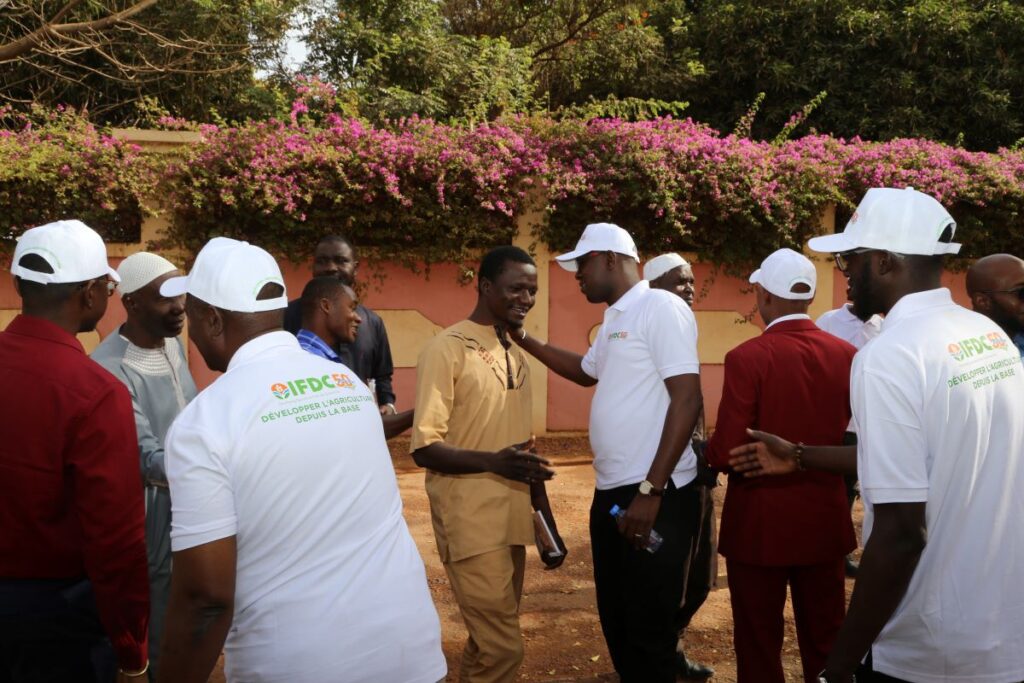
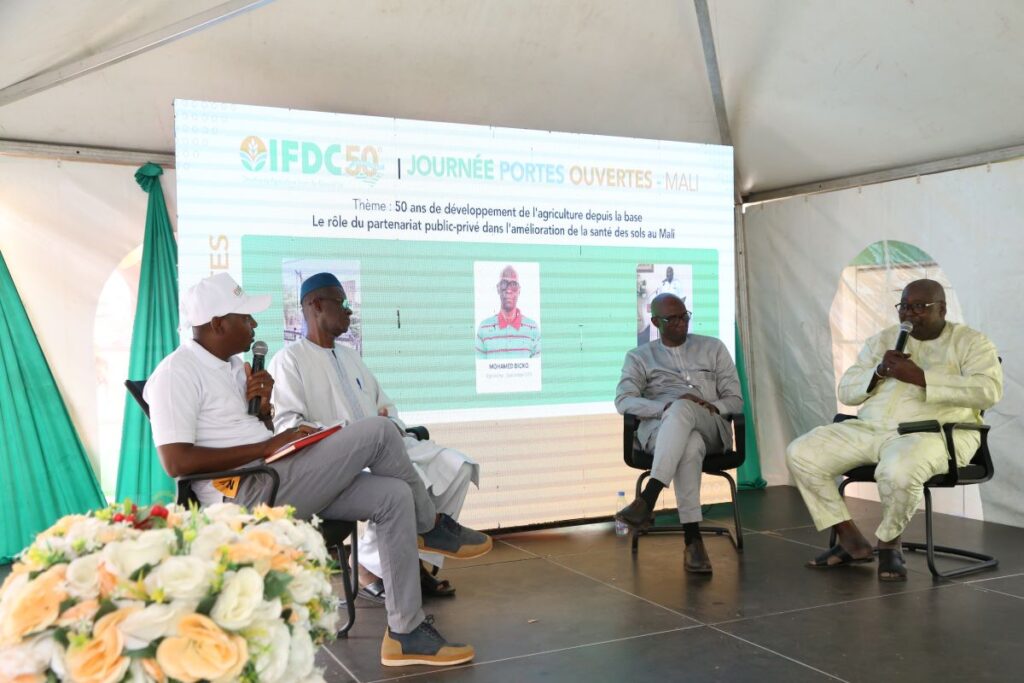
The Open Door event in Mali was marked by product exhibitions by actors and partners, Business-to-Business meetings between current and potential partners, and finally, two discussion panels, which focused on the following informative themes: Access to Fertilizers and Financing of the Fertilizer Sector: What Solutions are Possible? and Soil Typology and Characteristics in Mali: What Fertilization Solutions are Appropriate?
From 2001 to the present day, IFDC’s vision has been implemented in Mali through various projects and programs.
Mali’s flagship projects currently in progress include:
- Feed the Future Mali Sɛnɛ Yiriwa Agricultural Production Activities in Sikasso Project: The Feed the Future Mali Sɛnɛ Yiriwa project, funded by the U.S. Agency for International Development (USAID), aims to sustainably scale up the productivity of key value chains in Mali, leading to better consumption of nutritious food and resilience of farm households.
- Integrated Seed Sector Development in the Sahel (ISSD/Sahel): ISSD/Sahel, funded by the Embassy of the Kingdom of the Netherlands, seeks to increase incomes, improve employment, and ensure the food and nutrition security of rural households in Mali and Niger by establishing a dynamic seed system.
- Toward Sustainable Clusters in Agribusiness through Learning in Entrepreneurship (2SCALE): Funded by the Netherlands Directorate-General for International Cooperation (DGIS), 2SCALE focuses on supporting agribusiness clusters built around business champions, developing products and markets for local consumer markets, preferably at the base of the pyramid.
- Feed the Future Enhancing Growth through Regional Agricultural Input Systems Project for West Africa: The EnGRAIS project, funded by USAID, aims to increase the availability and use of fertilizers that are appropriate and affordable for smallholder farmers in West Africa.
- Soil Values: Soil Values, a 10-year program financed by the DGIS-Netherlands, is a transformative initiative where the primary objective is to establish sustainable soil fertility management as a cornerstone within the farming systems of the Sahelian and Guinea Savanna regions.
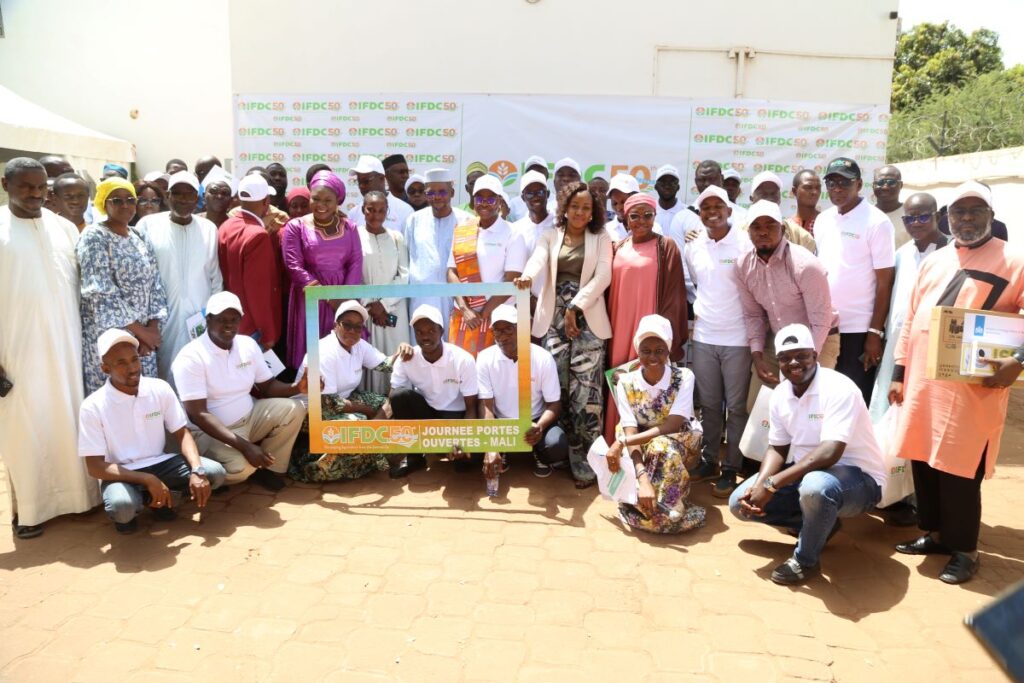
The Mali Open Door event facilitated partnerships and collaborations to further agricultural transformation in the country, ultimately enhancing innovation, knowledge exchange, and sustainable growth within the agriculture sector.