Senegal

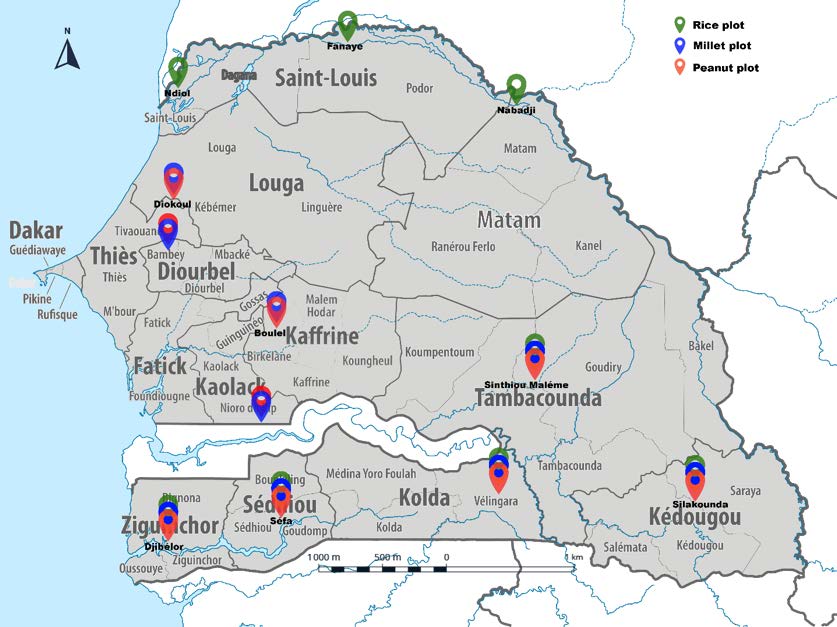
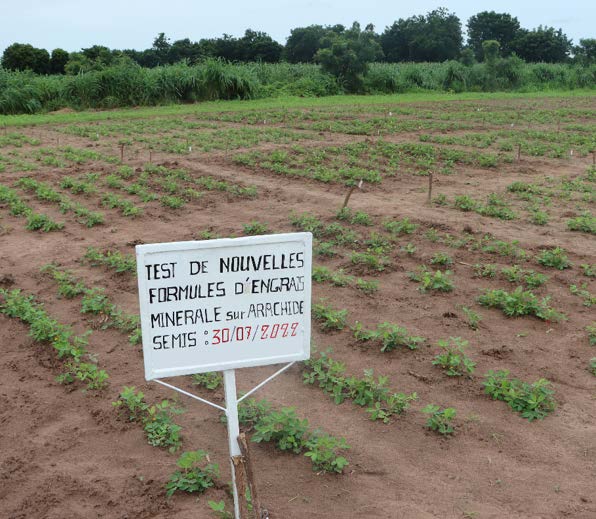
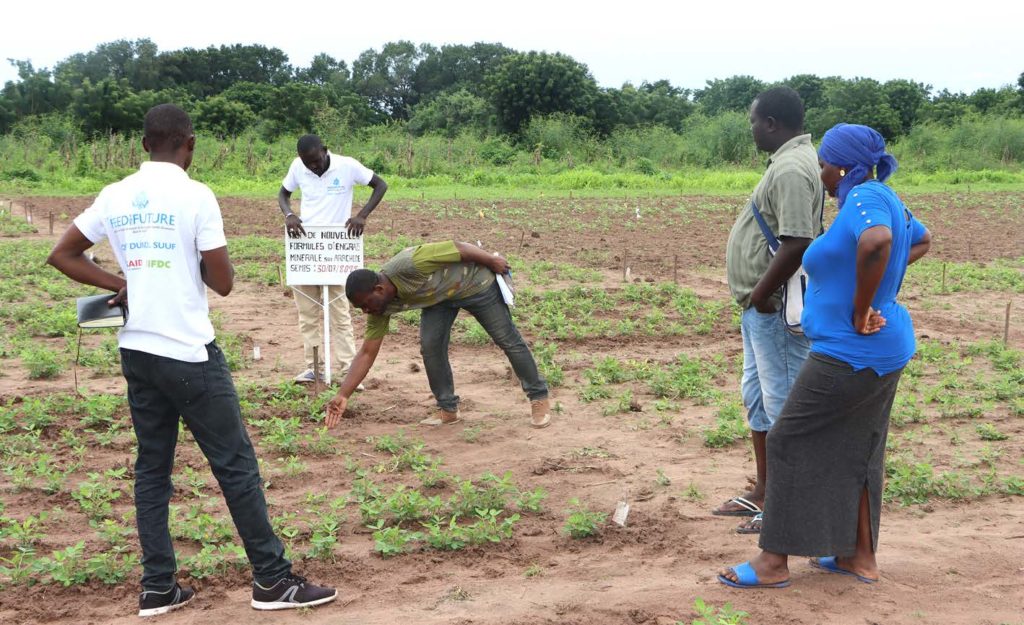
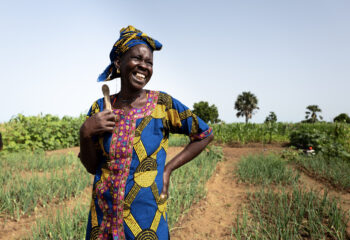
Senegal is located in West Africa, bordering the Atlantic Ocean, between Guinea-Bissau and Mauritania. The country’s total land area is 196,722 sq km. In comparison, Senegal is slightly smaller than Kyrgyzstan, and about the size of the state of South Dakota in the U.S. Its climate is tropical – very hot and humid. Environmental issues include deforestation, overgrazing, soil erosion and desertification. Of the total land area, 12 percent is utilized for cultivated crops, while no measurable amount of the total land supports permanent crops such as fruit- and nut-bearing trees. The population is approximately 13.7 million, with 77 percent of its workforce dedicated to agriculture. In 1994, Senegal undertook ambitious economic reforms with the support of the international donor community. As a member of the West African Economic and Monetary Union, Senegal works toward greater regional integration. Its phosphate industry, however, has struggled to secure capital, and reduced output has directly impacted GDP. Senegal continues to work closely with international monetary organizations to generate economic progress, but the country’s 48 percent unemployment and 54 percent poverty rates continue to be problematic. Senegal’s agriculture sector is weak at 13 percent of GDP; thus agricultural exports are not substantial. In comparison, the services sector represents almost 64 percent of GDP. Agricultural products include peanuts, millet, maize, sorghum, rice, cotton, tomatoes and green vegetables. The North and West Africa Division is responsible for IFDC activities in Senegal.

Current IFDC Projects in Senegal

  • Marketing Inputs Regionally (MIR Plus), 2009-2013
    MIR Plus is improving policy and regulatory environments in the 15 nations of the Economic Community of West Africa (ECOWAS). The project is increasing the use and efficiency of agro-inputs, improving the availability of technical and market information and using technology to link producers’ organizations with agro-dealers. The project links 2.23 million farmers to agro-dealers who will help train and supply the farmers. The project should increase maize and rain-fed rice yields by 20 percent for targeted farmers in Ghana and Nigeria, and increase irrigated rice yields in Burkina Faso, Ghana, Nigeria, Senegal and Sierra Leone by 20 percent.

DONORS: Economic Community of West African States (ECOWAS), West African Economic and Monetary Union (UEMOA), the Netherlands’ Directorate-General for International Cooperation (DGIS)

  • NEPAD-FAO Fertilizer Subsidy Study, 2011-2012
    The New Partnership for Africa’s Development (NEPAD) Planning and Coordinating Agency (NPCA) has commissioned a study on fertilizer subsidy programs in eight countries in Africa, with technical guidance and financial support provided by the Food and Agriculture Organization (FAO) of the United Nations, Alliance for a Green Revolution in Africa (AGRA) and IFDC. The study will be an overview of different subsidy models, thus providing a menu of options for countries considering subsidies or wanting to alter ongoing subsidy programs. The study focuses on fertilizer subsidy programs in Burkina Faso, Ghana, Malawi, Nigeria, Rwanda, Senegal, Tanzania and Zambia.

DONORS: Food and Agriculture Organization (FAO) of the United Nations, Alliance for a Green Revolution in Africa (AGRA)

Recent IFDC Projects in Senegal

  • Marketing Inputs Regionally (MIR), 2002-2008
    The MIR project increased the affordability and accessibility of quality inputs for targeted smallholders in West Africa, and provided technical support and training for farmers and dealers. MIR developed regional and national regulatory frameworks, supported the advancement of farmer and agro-dealer associations, facilitated dialogue along the value chain and implemented sustainable development of the cotton agro-input sub-sector.

DONOR: The Netherlands’ Directorate-General for International Cooperation (DGIS)

  • Rice Emergency Initiative, 2009-2010
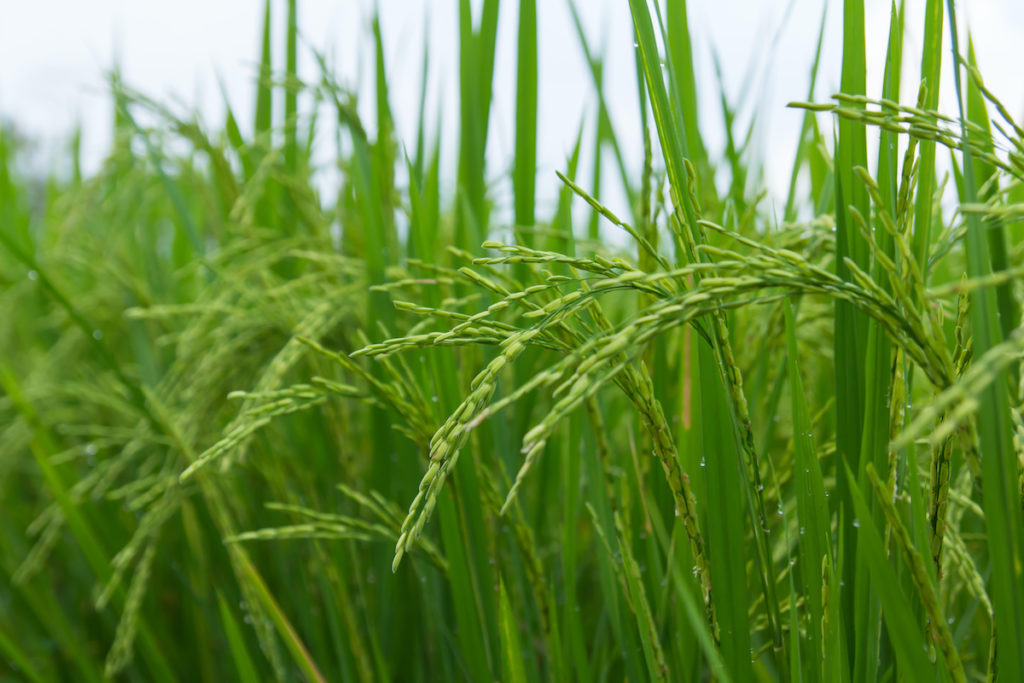
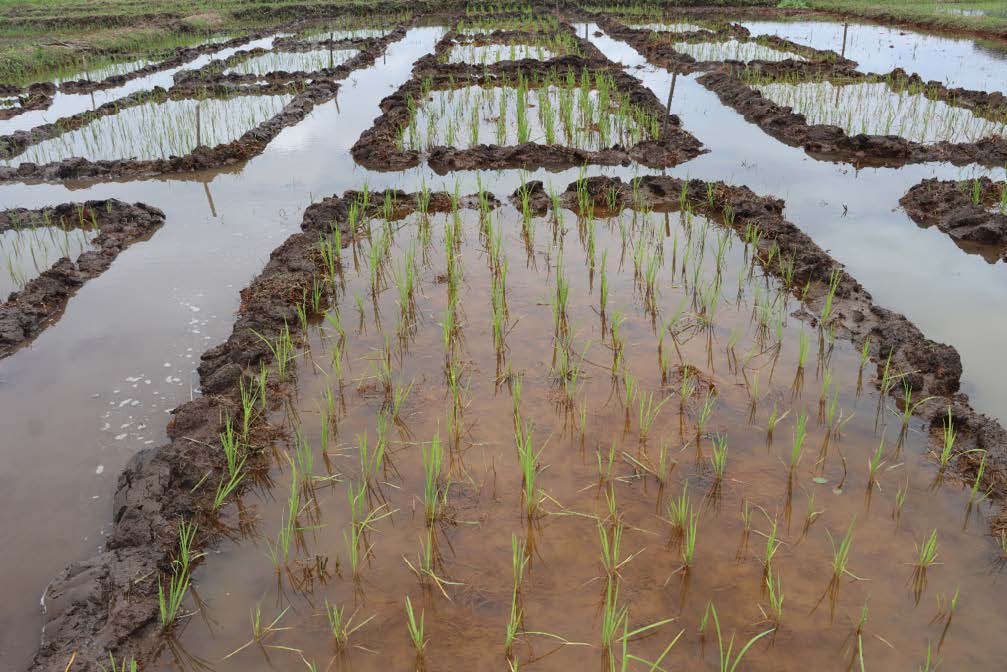
    The Rice Emergency Initiative was created, in part, to boost rice production in Ghana, Mali, Nigeria and Senegal in order to mitigate potential shortages of this staple crop. The program targets 10,000 rice farmers in each of the nations and aims to boost total domestic rice production by 30,000 tons of paddy rice. IFDC is also improving access for the 40,000 farmers to certified rice seed and quality fertilizer.

DONOR: Africa Rice Center (WARDA), U.S. Agency for International Development (USAID)

  • Strategic Alliance of Agricultural Development in Africa (SAADA), 2006-2010
    For the SAADA project, IFDC has organized a strategic alliance of international non-governmental organizations to facilitate regional, national and multi-national agricultural intensification/agribusiness programs with an initial focus in West Africa – with project expansion into select countries of eastern and southern Africa. The project utilizes the Competitive Agricultural Systems and Enterprises (CASE) approach for agribusiness cluster formation and Integrated Soil Fertility Management (ISFM) to increase agricultural productivity.

DONOR: The Netherlands’ Directorate-General for International Cooperation (DGIS)


Articles

IFDC Develops Sustainable Value Chains and Increases Profitable Agriculture in West Africa (Taken from IFDC Report Volume 36, No 4)


MIR Plus (Taken from IFDC Report Volume 36, No 2)